ELEVATE: The Badging System
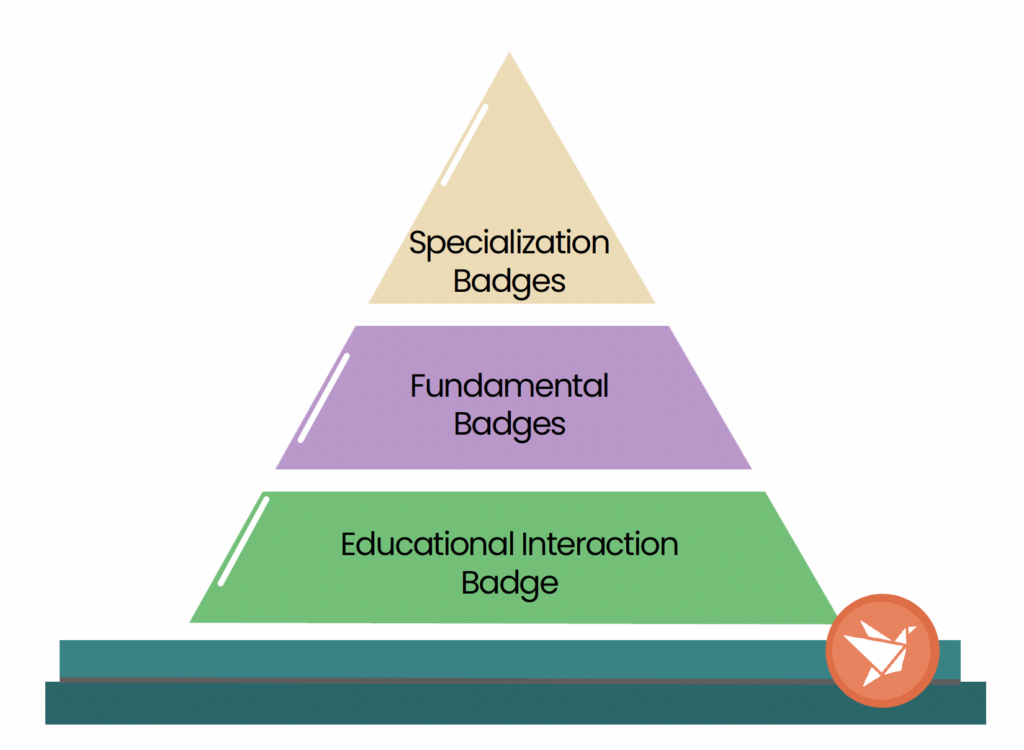
ELEVATE: The Badging System offers a novel yet familiar approach to recognizing quality in early childhood education. Unlike the traditional star ratings used by most states, which often condense various aspects of a program into a single score, our badging system breaks down these elements into meaningful, distinct badges. This method acknowledges the many nuances of early childhood programs, providing a clearer representation of their specific services.
Building Quality from the Foundation
Key Features of the Badging System:
-
Educational Interaction Badge: Represents the essential teacher-child interaction, akin to the foundation of a house.
-
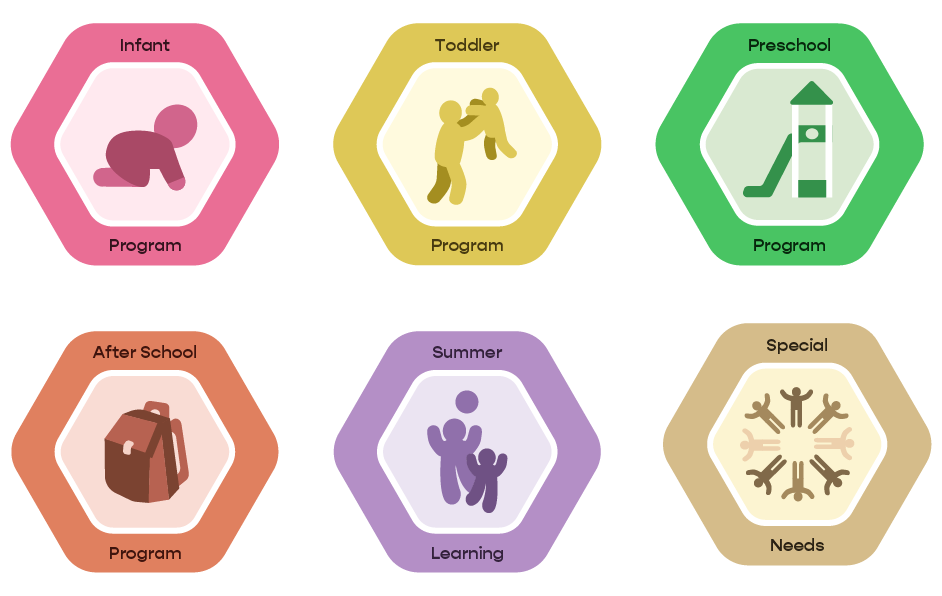
Fundamental Badges: Address the developmental needs of children across different age groups, from infants to school-aged children, including those with special needs.
-
Specialization Badges: Highlight specialized services that a program may offer to meet specific family needs.
What badge are providers currently working for in ELEVATE: Phase 1?
The Educational Interaction Badge
The Educational Interaction Badge indicates that a child care program provides positive, educational interactions between their teachers and children enrolled in their programs. This badge is earned through an evidence and research-based observation tool that is used nationwide to assess teachers in child care and Pre-K classrooms.
How will programs get the first badge (phase 1)?
To earn the first badge, known as the Educational Interaction Badge, programs must undergo a comprehensive assessment of teacher-child interactions in the classroom. This badge emphasizes the importance of these interactions in early childhood education, particularly for children from birth to five years old.
What is the assessment process for the badge?
The assessment utilizes the Classroom Assessment Scoring System (CLASS), chosen for its research-based approach to evaluating the quality of teacher-child interactions. CLASS examines various aspects, including:
-
The quality of conversations between teachers and children.
-
Teachers’ responsiveness to children’s ideas. The tone and intonation used by teachers. The presence of any negative interactions and strategies to address them. CLASS also offers pathways for professional development, helping teachers improve their skills by building on their strengths.
Is there any additional information?
To earn the badge, programs must achieve a baseline composite score of three on the CLASS assessment. This assessment is conducted for all age groups served by the program, including infants, toddlers, and pre-K. The Educational Interaction Badge is the only badge that can be earned in the first year, and CLASS scores are the sole criterion for earning it.

What badges are providers working for in ELEVATE: Phase 2?
The Fundamental Badges
Phase 2 focuses on Fundamental Badges that indicate the type of care offered by a provider for serving children of a specific population, such as infants and toddlers, preschool, school-age, or children with special needs.
How will programs get the fundamental badges (phase 2)?
Programs aiming to earn badges for infant, toddler, pre-K, school age, or special needs categories must meet additional requirements. Three options are offered to achieve this:
1. CLASS Score Option: Programs can earn the badge by achieving a CLASS score of five or higher for the respective age group. The highest possible CLASS score is seven.
2. Evidence of Quality Option: Programs can demonstrate quality in four key areas:
-
Professional Development: Develop a professional development plan for
staff in the classroom based on input from their coach and initial CLASS score. -
Learning Environment: Creating conducive spaces for education
-
Best Practice Health & Safety and Wellness: Implementing safety protocols and promoting wellness.
-
Social Emotional Support: Providing emotional and social assistance
Programs will need to provide evidence of meeting indicators in these areas through a portfolio, which includes feedback from the coach, photos, videos, and testimonials. This portfolio will not only demonstrate compliance but also serve as a marketing tool for their program to families.
3. Hybrid Model: This combines the CLASS score and evidence of quality routes. Programs can choose to improve their CLASS composite scores or opt to develop a portfolio for specific dimensions where they scored lower.
What is the assessment process for the badge?
The fundamental badge categories have been aligned with CLASS dimensions and feedback obtained from Touchstone experts. Programs scoring four in specific CLASS dimensions may focus on improving their composite scores to five. For lower scores, they can opt for the portfolio route or may also work towards improving their composite scores to five. All necessary dimension materials are provided to child care providers at no cost to ensure transparency in expectations.